Second Grade is Magical Retro SVG Design Review
As a designer who has spent years turning digital files into tangible, stitched products, I approach every new download with a mix of excitement and skepticism. You never know if a file will hold up under the tension of a machine or if it will look as good on a finished tote bag as it does on a crisp screen. When I first opened Second Grade is Magical Retro SVG Design, the retro aesthetic immediately caught my eye. It carries that warm, nostalgic vibe perfect for celebrating school milestones, but I needed to see how it would translate from a vector graphic into a real-world embroidery project.
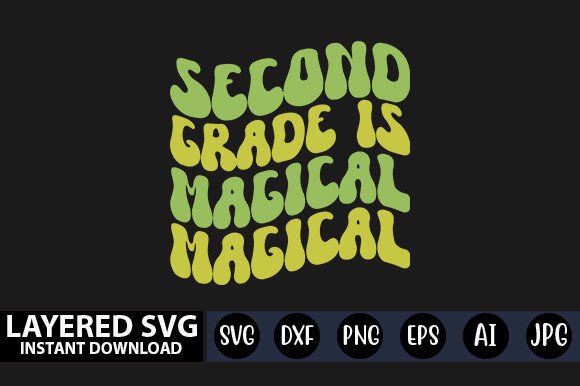
The product description notes that this is a digital download containing an AI vector file and word-by-layer SVG cut files. This structure is crucial for anyone looking to create custom apparel or small business merchandise. Unlike standard image files where text is flattened, having words by layer allows for incredible flexibility. If you are an Etsy seller creating personalized gifts, you can easily swap out "Second Grade" for "Third Grade" or any other year without breaking the design's integrity. This level of control is what separates a professional workflow from a frustrating one.
Visual Personality and First Impressions
The mood of Second Grade is Magical Retro SVG Design is distinctly playful yet polished. The retro styling suggests a vintage classroom or a classic 70s poster, which adds a layer of charm that modern, clean fonts often lack. For a handmade shop owner, this visual personality is gold. It doesn't just say "school"; it evokes memories of chalk dust, colorful crayons, and the specific joy of growing up. This emotional connection is vital when pricing your finished products. Customers aren't just buying a stitched logo; they are buying a sentiment that makes them feel something.
In terms of layout, the design feels balanced and ready for stitching. The curves of the letters suggest a flowing motion that works well with satin stitch, which is typically used for outlines and lettering in machine embroidery. However, the retro style also implies some texture. If the design includes fill stitches, the density needs to be managed carefully so the fabric doesn't pucker. My initial assessment is that this design belongs best on items that celebrate growth and learning, such as baby onesies, nursery decor, or teacher appreciation gifts.
Real-World Application: From Screen to Stitch
To truly judge a design, you have to imagine it in action. Let's say I am preparing a custom embroidered tote bag for a local craft fair. I want to feature Second Grade is Magical Retro SVG Design on a sturdy canvas bag. Because the design is provided as a vector and word-by-layer SVG, I can resize it to fit perfectly within the hoop without losing resolution. The retro font stands out beautifully against a natural canvas background, especially if I choose thread colors like mustard yellow, burnt orange, or deep teal to match the vintage palette.
I also considered using this design on a sweatshirt for a student gift. The soft cotton blend of a sweatshirt provides a forgiving surface for embroidery, allowing the design to sit comfortably without distorting the fabric. However, if I were to use this on a cap or a curved hat, I would need to be cautious. Curved surfaces can stretch the design, making the letters look uneven if the digitization isn't perfect. The word-by-layer aspect helps here, as I could potentially adjust the spacing between individual words to accommodate the curve of the brim.
Another scenario involves creating a set of kitchen towels or aprons for a boutique. The phrase "Magical" adds a whimsical touch that pairs well with home goods. In this context, the design serves as a focal point. When a customer sees a high-quality embroidered towel with this retro design, their trust in the brand increases. It signals that the maker cares about detail and quality. This attention to detail is exactly what drives engagement for small shop products and helps justify higher price points in the Crafts and Graphics market.
Where to Exercise Caution
While the design is versatile, there are specific situations where Second Grade is Magical Retro SVG Design might struggle. Small hoop sizes are a common pitfall. If the design features intricate details or very small lettering, compressing it into a tiny hoop can result in a muddy mess. The threads may overlap, and the definition of the retro style could be lost entirely. Always test the design on scrap fabric first to ensure the stitch density is appropriate for the chosen hoop size.
Fabric choice is another critical factor. Thin fabrics like silk or lightweight polyester blends can be problematic. The weight of the embroidery thread might cause the fabric to pucker or tear, especially around dense areas. Similarly, stretchy fabrics require a stabilizer that matches the garment's elasticity. Without proper support, the retro lines of the design could warp after washing. Dark fabrics present their own challenge; if the design relies on light thread colors for contrast, you may need to add a backing or underlay to prevent the dark fabric from showing through the stitches.
Detailed corners and tiny lettering should also be scrutinized. While the word-by-layer format is great for editing, it doesn't guarantee that every tiny detail will stitch cleanly. If the design includes decorative accents or fine lines, they might not register well on certain textures. For instance, a textured fabric like a heavy wool blanket might hide the finer points of the design, making it look softer than intended. In these cases, you might need to simplify the design or choose a smoother fabric to maintain clarity.
Practical Notes for the Embroidery Designer
Before committing to a full production run, I strongly advise reviewing the stitch density and confirming the hoop size requirements. Since the product is a digital file, you don't have physical samples to inspect. Check the thread color contrast in your digitizing software. A black design on a white shirt looks different than a white design on a black shirt due to the way light interacts with the thread. Running a test in black and white mockups can help you visualize the final product without spending money on materials.
Using proper stabilizer is non-negotiable. Whether you are working on a commercial embroidery project or a personal gift, the right stabilizer ensures the design stays flat and durable. If you plan to sell finished items, confirm the licensing terms regarding commercial use. Some designs allow for unlimited sales, while others restrict the number of units you can produce. Ignoring this step can lead to legal issues down the line.
Finally, consider the longevity of the finished product. Frequent washing can wear down embroidery, especially if the stitch density is too high. Test the durability by washing a sample piece multiple times to see if the threads pull or the fabric distorts. This practical testing phase builds confidence in your work and ensures that your customers receive a high-quality item that lasts.
Second Grade is Magical Retro SVG Design offers a fantastic foundation for creative entrepreneurs and hobbyists alike. Its retro charm and flexible file structure make it a strong candidate for everything from baby embroidery to boutique branding. By paying attention to fabric selection, stabilizer usage, and test runs, you can transform this digital asset into a stunning finished product that resonates with buyers and elevates your craft business.