My First Boo Retro SVG: A Designer's Real-World Review
As a designer who spends more time behind the embroidery machine than in front of the computer, I approach every new digital embroidery file with a mix of excitement and skepticism. The market is flooded with cute graphics, but few translate well from a screen to a needle. Recently, I decided to put the My First Boo Retro SVG through its paces before adding it to my commercial collection. This isn't just another Halloween graphic; it is a piece that demands to be stitched, but only if you understand its nuances. After running several test swatches and mockups for potential handmade products, here is my honest assessment of how this design performs in real life.
The First Impression: Mood and Visual Personality
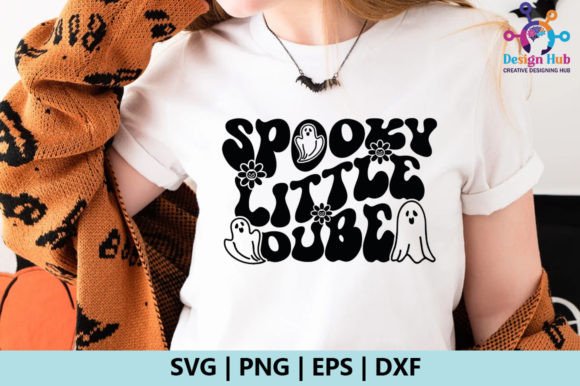
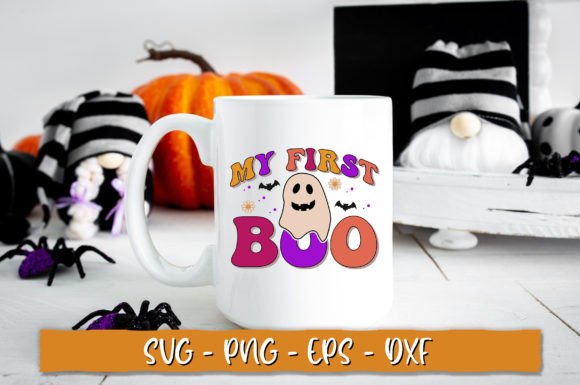
The moment I opened the file, the retro aesthetic jumped out. It captures that nostalgic, slightly spooky vibe that defines modern Halloween decor without being too scary for little ones. The layout feels balanced, making it an ideal candidate for a tote bag design or a centered chest print on a sweatshirt embroidery project. Unlike many generic clipart files that look flat when scaled, My First Boo Retro SVG holds its shape well, suggesting it was created with vector precision in mind.
For the craft business owner, this visual personality is gold. It speaks directly to parents looking for personalized gifts and boutique owners stocking holiday merchandise. The "retro" element adds a layer of sophistication that elevates a simple ghost or pumpkin motif into something that feels curated rather than mass-produced. It creates an immediate emotional connection, which is crucial for driving sales on platforms like Etsy or at local craft fairs.
Real-Life Application: From Screen to Stitch
I took this design straight to the hoop to see how it would handle a custom embroidery project on various fabrics. My first test was on a light-colored organic cotton tee intended as a baby gift. The design's clean lines worked beautifully with a satin stitch finish, creating a smooth, professional look that felt soft against the skin. However, the true test came when I tried it on a textured fabric, like a heavy canvas tote bag.
On the canvas, the stitch density required careful adjustment. While the design looks great in a digital preview, the physical reality of pushing needles through thick material can distort fine details. I found that My First Boo Retro SVG works exceptionally well for applique design applications where the base fabric provides stability, but for pure stitching, it needs a solid backing. When used on a pillow cover or a kitchen towel, the design shines, offering a high-end look that customers are willing to pay a premium for.
Imagine a small shop selling these as part of a "Spooky Season" bundle. You could pair this design with matching embroidered patches for denim jackets or use it on aprons for a bakery's Halloween special. The versatility is impressive, provided you respect the limitations of the thread colors and fabric texture. It transforms a standard product into a personalized gift that feels unique and thoughtfully made.
Where Caution is Key: Limitations and Challenges
Even the best designs have their breaking points. If you are planning to use My First Boo Retro SVG on a curved surface like a baseball cap, proceed with caution. The retro curves might not lay flat against the brim unless you use a specialized cap frame and adjust the pull compensation. Similarly, while the design is charming, attempting it in a very small hoop size risks losing the definition of the smaller elements. Tiny lettering or delicate accents can disappear under the weight of the surrounding stitches.
Dark fabrics present another challenge. To make the design pop, you will need to select high-contrast thread colors. A light pastel ghost on a black shirt requires a dense fill stitch, which can make the fabric feel stiff and heavy. For commercial embroidery on stretchy fabrics like jersey knit, I strongly recommend using a cutaway stabilizer to prevent puckering. Without proper support, the running stitch areas might distort after the first wash, leading to unhappy customers and damaged reputation.
Furthermore, avoid using this design on items that require frequent, aggressive washing, such as work uniforms or gym wear, unless you reinforce the stitching. The retro style relies on crisp edges, and over-washing can soften those edges into a blurry mess. Always inspect the finished product for loose threads or tension issues before shipping.
Impact on Brand and Customer Trust
In the world of handmade goods, presentation is everything. A poorly executed design can undermine years of building brand consistency. My First Boo Retro SVG, when stitched correctly, signals professionalism. It tells the buyer that you care about quality and detail. This attention to detail fosters trust, encouraging repeat business and positive reviews.
When you create a printable mockup for your online store, ensure the image accurately reflects the texture of the thread. Customers want to know what they are buying. If the design looks sharp in the photo but messy in person, it leads to returns. By testing the design on scrap fabric first, you can curate a portfolio of images that showcase the true potential of the graphics category item. This transparency boosts engagement and reduces buyer hesitation.
Practical Notes for the Embroidery Designer
Before you commit to a large production run, follow these essential steps to ensure success:
- Test on Scrap Fabric: Always run a test on a scrap piece of the same material you plan to use for the final product. This reveals how the stabilizer interacts with the fabric and helps you catch any tension issues early.
- Check Thread Color Contrast: Evaluate how different thread colors affect the visibility of the design. Sometimes a subtle color shift makes a huge difference in readability.
- Review Stitch Density: Look closely at the fill areas. If the density is too high, the fabric may pucker; if too low, the background might show through.
- Confirm Hoop Size: Ensure your machine's hoop can accommodate the design dimensions without cutting off important details.
- Inspect Small Details: Zoom in on the digital file to check for tiny lines or text that might get lost during the digitizing process.
- Test Black and White Mockups: View the design in grayscale to ensure the contrast works even if the color palette changes.
- Verify Licensing: Before selling finished items or distributing the design assets digitally, double-check the license terms included with the download. Some files are for personal use only, while others allow commercial resale.
Ultimately, My First Boo Retro SVG is a strong addition to any crafter's library. It offers a blend of nostalgia and modern appeal that fits perfectly into the Crafts and Graphics niches. Whether you are an Etsy seller looking to boost your holiday listings or a hobbyist making a one-of-a-kind gift, this design has the potential to elevate your work. Just remember that the magic lies not just in the file, but in the execution. Take your time, test thoroughly, and let the retro charm shine through your needlework.