My First Black Friday RETRO SVG Review
As someone who has spent years turning digital files into tangible, stitched masterpieces, I approach every new design asset with a mix of excitement and skepticism. The market is flooded with generic clip art, but finding a machine embroidery design that balances nostalgia with technical viability is rare. Recently, I put the My First Black Friday RETRO SVG to the test in a real-world scenario: creating a limited-run collection of tote bags for a local holiday craft fair. My goal was to see if this file could transition smoothly from a screen to a needle without losing its charm or structural integrity.
The First Impression: Mood and Visual Personality
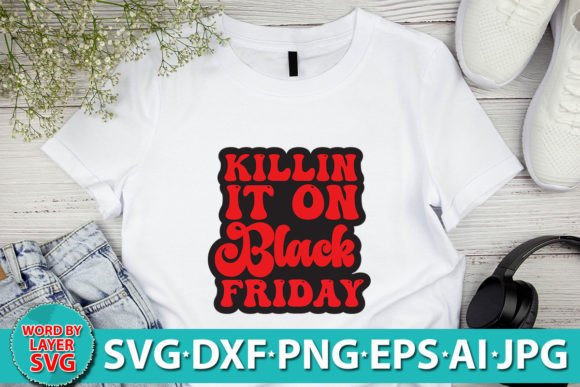
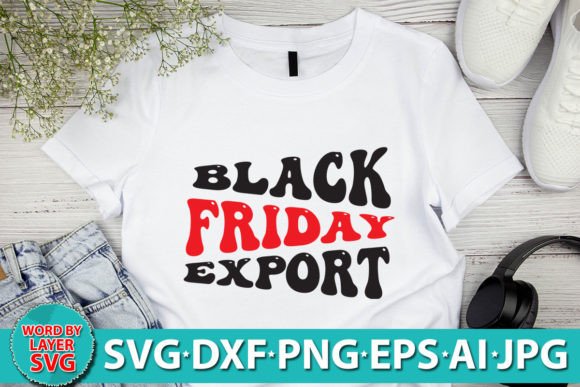
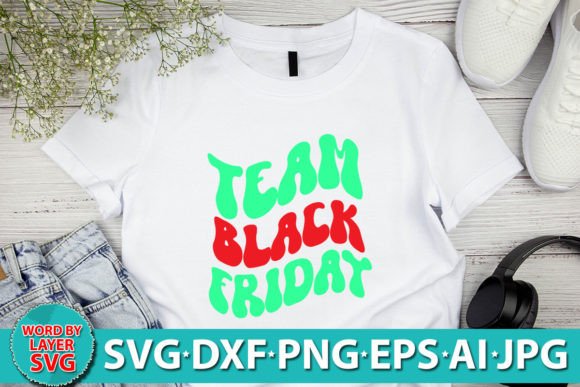
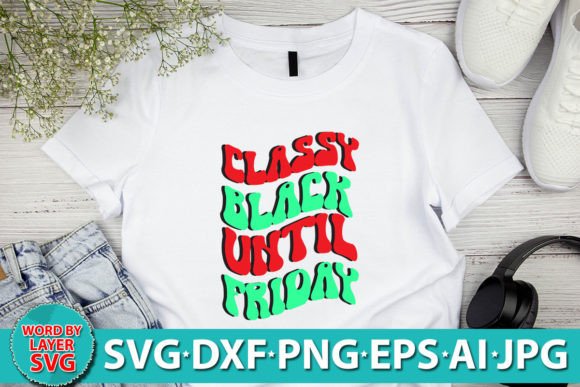
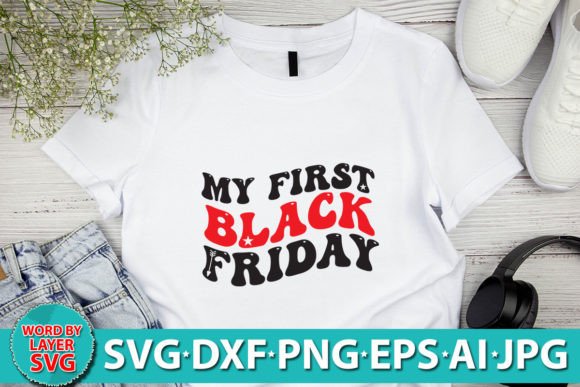
When you first open the layers of the My First Black Friday RETRO SVG, the immediate feeling is one of playful irony. It captures that specific "retro sale" aesthetic perfectly—bold typography mixed with vintage color palettes that feel both familiar and fresh. For an embroidery designer, the layout is crucial; it needs to breathe on fabric just as well as it does on a monitor. This design feels naturally suited for casual wear and home decor rather than formal attire. The visual personality suggests a product that is approachable, fun, and perfect for the modern crafter who wants something unique without looking overly polished.
The retro theme works exceptionally well for holiday merchandise because it taps into a sense of urgency and community shopping. Unlike standard Christmas fonts that can feel overused, this design offers a distinct edge that appeals to younger demographics and creative entrepreneurs looking to stand out on Etsy or at boutique shops. It creates an instant mood of celebration and anticipation, making it a strong candidate for any project where you want to evoke a specific vibe before the customer even touches the finished item.
Real-World Performance: From Screen to Stitch
I took the layered file directly into my workflow for a custom apparel project. The versatility of the file formats, including SVG, PNG, EPS, AI, JPJ, and DXF, meant I could easily import it into Adobe Illustrator for sizing and then export it to my embroidery software. One of the biggest hurdles in converting vector graphics to stitch patterns is maintaining the integrity of the curves and corners. In this case, the My First Black Friday RETRO SVG held up remarkably well.
I tested the design on a heavy-duty canvas tote bag, a staple for any craft business. The bold lines translated beautifully into satin stitch, giving the text a glossy, high-end finish that caught the light. However, I also experimented with a softer cotton blend for a baby onesie. Here, the design required careful consideration of stitch density. If the density is too high on thin fabric, it can cause puckering, which ruins the professional look of a personalized gift. By adjusting the settings, I achieved a clean result that felt soft to the touch while still retaining the graphic impact of the original artwork.
The layered nature of the file allowed me to separate elements, which is a game-changer for applique design projects. I could have easily used different colored fabrics for the background versus the text to create depth, adding value to a small shop product. This flexibility is essential for Etsy sellers who need to customize designs quickly for different client requests without starting from scratch every time.
Where to Exercise Caution
While the design is robust, there are specific scenarios where it requires extra attention. Small hoop sizes can be tricky with detailed lettering; if the text is scaled down too much, the running stitch details might disappear or merge together, resulting in a muddy appearance. Similarly, textured fabrics like terry cloth or thick fleece can hide the fine details of the retro style. In these cases, the design might look best when simplified or used as a larger statement piece rather than a small accent.
Stretchy fabrics present another challenge. The tension required for a crisp embroidery project can distort the weave of jersey or knit materials if not stabilized correctly. For curved surfaces like caps, the distortion of the design must be accounted for during digitizing. A flat vector file will rarely translate perfectly to a curved brim without warping. Additionally, dark fabrics require a high thread count or underlay to ensure the colors pop, which increases the stitch density and the risk of fabric damage if not managed carefully.
Impact on Product Value and Brand Consistency
In the world of handmade goods, presentation is everything. A well-executed My First Black Friday RETRO SVG elevates the perceived value of a product instantly. Customers associate clean, precise stitching with quality craftsmanship. When a buyer sees a tote bag design that looks professionally executed, they are more likely to trust the brand and pay a premium price. Conversely, sloppy edges or misaligned layers can signal a lack of care, regardless of how good the original idea was.
This design supports brand consistency across various platforms. Whether it is used on a physical holiday gift, a printable mockup for social media, or a digital preview for a listing, the retro aesthetic remains recognizable. It helps build a cohesive identity for a creative entrepreneur selling design assets or finished goods. The unique style ensures that your products do not get lost in a sea of generic templates, fostering better buyer engagement and repeat customers.
Practical Notes for the Embroidery Designer
Before committing to a full production run, I strongly advise testing the design on scrap fabric first. This simple step can save hours of frustration and wasted materials. Check the thread colors against your chosen fabric texture; sometimes a color that looks vibrant on screen appears dull once stitched due to the sheen of the thread or the matte finish of the cloth.
Review the stitch density in your digitizing software. If the design feels too dense for the intended garment weight, reduce the stitches or switch to a lighter fill pattern. Confirm your hoop size matches the final dimensions of the design to avoid cutting off important details. Inspect small details closely, especially if you plan to use the design for tiny accents or decorative patches.
It is also vital to compare the design in black and white mockups to ensure the contrast holds up without relying on color. Test it on both light and dark backgrounds to verify versatility. Always use proper stabilizer appropriate for the fabric type to prevent shifting or puckering. Finally, confirm whether the license allows for commercial use if you intend to sell finished items or digital products derived from the file. Understanding the legal boundaries is as important as the artistic execution.
The My First Black Friday RETRO SVG is more than just a trendy image; it is a functional tool for designers, apparel decorators, and digital product sellers. When handled with the right technical knowledge, it transforms into a standout piece of art that adds character to any handmade product. Whether you are creating a pillow cover, a kitchen towel, or a boutique branding element, this design offers the flexibility and style needed to succeed in today's competitive craft market.